Invisalign® offers a contemporary alternative to traditional braces, using a sequence of clear, removable aligners to shift teeth into better alignment. For many adults and teens, clear aligners provide a discreet path to a healthier bite and a more confident smile without the visible hardware associated with metal orthodontics.
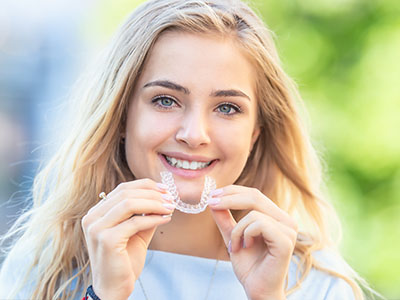
Invisalign® for Teens

Invisalign® for Brides

Invisalign® for Travelers
Before & After Photos
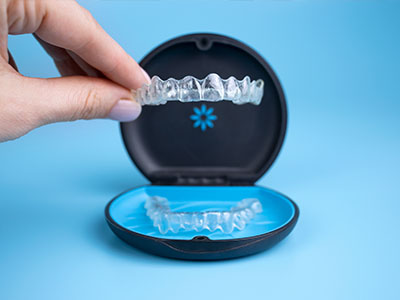
Invisalign® Videos
FAQs
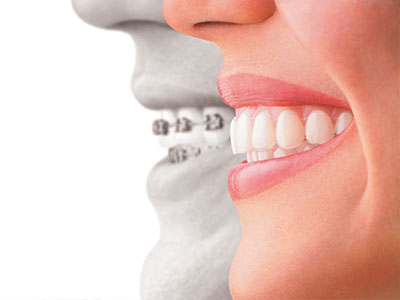
Invisalign® vs Braces
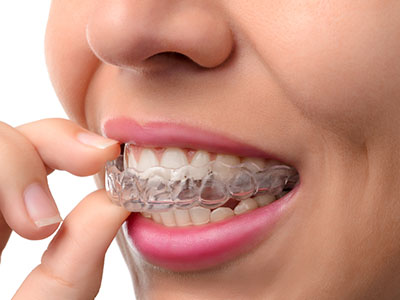
Invisalign® vs Direct-To-Consumer Aligners
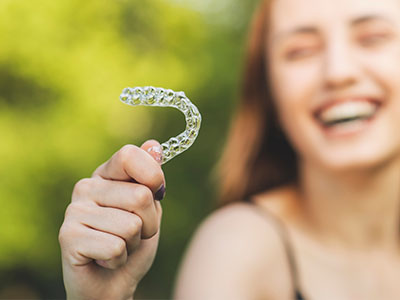
Is Invisalign® Right For Me?

Invisalign® Costs
Clear aligner therapy combines medical-grade, BPA-free plastic trays with a planned sequence of movements to address crowding, spacing, and many common bite issues. Because each tray is slightly different from the last, teeth move gradually and predictably over time—allowing clinicians to plan an entire treatment pathway from initial position to final goals.
One of the practical advantages of removable aligners is daily convenience. Aligners can be taken out for eating, routine brushing, and important events, which helps patients maintain oral hygiene and reduces some social concerns that come with fixed appliances.
Technology plays a central role: digital scanning and 3-D treatment simulations allow dentists to show a visual roadmap of progress before treatment begins. That planning capability helps patients understand what to expect and lets clinicians sequence movements to achieve efficient, controlled results.
A successful Invisalign® outcome starts with an in-depth consultation. During this visit, your provider reviews your dental history, evaluates bite dynamics, and identifies the cosmetic and functional goals you want to achieve. This shared understanding guides every decision that follows.
Instead of traditional impressions in many cases, a fast digital scan captures the exact positions of your teeth and supporting structures. These scans feed into treatment software that creates a step-by-step visualization of tooth movement, allowing the doctor to fine-tune the plan before any aligners are produced.
The planning stage also determines whether attachments, interproximal reduction (slight reshaping of enamel), or other adjunctive measures are recommended to achieve predictable movement. Each patient’s plan is unique; the goal is to balance efficiency with safe, controlled orthodontic mechanics.
Because the treatment is planned from start to finish, patients receive a clear timeline and milestones to follow. Your team will explain what progress looks like and how we’ll monitor changes at routine check points throughout the process.

Your initial appointment is focused on assessment and education. We’ll review your scan, discuss expected outcomes, and answer questions about daily care and lifestyle adjustments during treatment.
Most patients leave this visit with a clear sense of the next steps: when impressions or scans will be taken, estimated timing for aligner manufacture, and how soon treatment can begin. The process is paced to fit your schedule while maintaining clinical rigor.
We place emphasis on informed consent and realistic expectations, so you’ll know how aligners will affect speaking, eating, and oral hygiene in the weeks ahead.
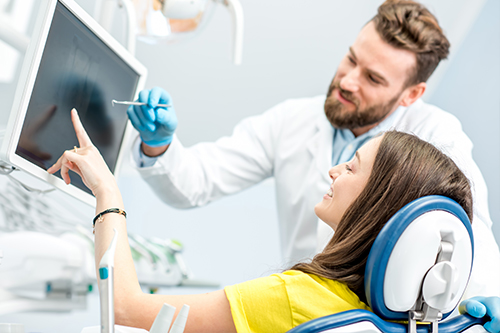
Once digital impressions and treatment objectives are finalized, aligner trays are manufactured according to the clinician’s plan. Each tray is engineered to apply subtle forces that move specific teeth in controlled increments.
Modern fabrication methods produce aligners that fit snugly and are finished to reduce soft-tissue irritation. When necessary, small composite attachments are placed on teeth to help the aligner grip and guide movements more effectively.
Although the materials and mechanics are sophisticated, the patient experience is straightforward: wear the aligner set as directed and exchange them on schedule while keeping routine check-ins with the clinical team.
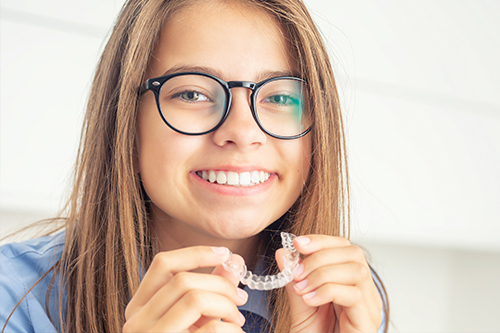
Consistent wear is the cornerstone of effective aligner therapy. Aligners are designed to be worn for the majority of each day and removed briefly for meals and oral care. This approach helps preserve enamel and reduces the risk of decay compared with some fixed appliances.
Keeping aligners and teeth clean involves simple, repeatable habits: rinse trays before reinserting them, brush after meals when possible, and follow recommended cleaning routines for the aligners themselves. These small actions protect tooth structure and promote healthy gum tissue throughout treatment.
For active lifestyles, travel, or special occasions, aligners provide flexibility. We’ll coach you on how to manage short interruptions in wear while maintaining momentum toward treatment milestones.

Regular follow-up appointments let your provider verify that movements are proceeding as planned and address any concerns early. These visits are also opportunities to swap guidance, adjust attachments, or authorize refinements if subtle corrections are needed toward the end of the plan.
If treatment requires small course corrections, modern aligner systems allow for additional aligner stages without restarting the process. This flexibility helps achieve the intended outcome while minimizing disruption.
Throughout the journey, clinicians focus on comfort and predictability: providing strategies for managing initial tenderness, troubleshooting fit issues, and ensuring that oral health remains a priority while teeth are moving.
Watch short videos that demonstrate how clear aligner treatment is planned and delivered.
When properly planned and monitored, clear aligner therapy can deliver durable improvements in alignment and bite function. Our team emphasizes evidence-based techniques, clear communication, and attentive follow-up so that each stage of care is comfortable and understandable.
At Amaya Dental, we combine modern technology with a patient-centered approach to help people achieve predictable results while minimizing disruption to everyday life. If you’re considering clear aligners, we’re happy to walk you through the process and answer any clinical questions you may have.
To learn more about whether Invisalign® is a good fit for your smile, please contact us for additional information or to schedule a consultation. Our team can explain next steps and help you make an informed decision about care.
*Invisalign® is a registered trademark of Align Technology, Inc.
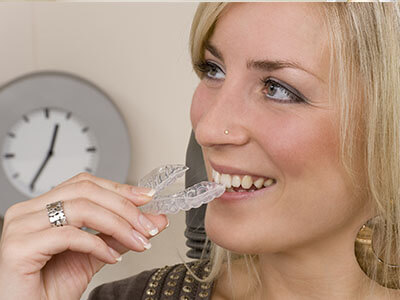
There are many options for patients who want to avoid metal braces! The most popular alternative orthodontic treatment is Invisalign®, which are clear plastic aligners designed to straighten teeth. After an examination of your teeth, your dentist will determine which option is best suited to your wants and needs.
According to the Invisalign® website, the cost for treatment is approximately the same as the cost for metal braces. A portion of this cost may be covered by your insurance. Please call us to set up a consultation and discuss potential payment plan options.
The first step is to schedule a consultation with your doctor, so they can devise a treatment plan that is best suited to your individual dental needs. Once approved, you will receive your first set of aligners. Your doctor will then regularly monitor the movement of your teeth and new aligners will be ordered according to the progress made in your treatment plan.
Invisalign® aligners are made of clear, flexible plastic. The company received a patent for this material – SmartTrack® – to be used exclusively for Invisalign treatment purposes. These aligners are FDA approved and nearly invisible!
Your doctor will give you an estimate regarding how long your Invisalign® treatment should take, which will depend on your specific needs. The average length of time for treatment is approximately 12-18 months. However, some patients may see results far sooner. Remember to wear your aligners exactly as instructed by your doctor to obtain the best results.
Your doctor will most likely recommend that you wear retainers following your Invisalign® treatment. This is a precaution that will prevent your teeth from shifting back to their original positioning. It is important to follow your doctor's instructions exactly to ensure long-lasting results.
You must wear your aligners for up to 22 hours daily. You may remove them for eating, drinking and regular oral hygiene.
No. Unlike braces, you may eat whatever you like as long as you remove the aligners before eating. Prior to placing the aligners back on, it is important to brush your teeth and the aligners after you eat.
Like any orthodontic treatment, there is a short adjustment period. The more you speak with the aligners on, the quicker you will adjust.
There will be some pressure and minor discomfort for a day or two after each initial insertion. This is a sign that your teeth are moving sequentially into their final position.
It is recommended that you remove your aligners prior to chewing gum as the gum will stick to the aligners.
We discourage smoking with aligners as the cigarette smoke will tend to discolor them.
Brushing them with toothpaste will keep them fresh and clean.
Regular office visits are every five to six weeks. This will ensure that your Invisalign treatment is progressing as planned.
All orthodontic patients are instructed to wear their retainers at night indefinitely. Sleeping with your retainers in at night will ensure a healthy bite and maintain the new position of your teeth.
Yes, if their teeth, including second molars, have grown in completely.
Invisalign is a clear aligner system that gradually moves teeth using a series of custom-made, removable trays. Each aligner is engineered to apply gentle, controlled forces so teeth shift incrementally toward a planned final position. The system is designed to address common alignment concerns such as crowding, spacing and mild to moderate bite irregularities.
Because the trays are transparent and removable, many patients prefer them for aesthetic and practical reasons compared with fixed appliances. Advanced digital scanning and treatment planning allow clinicians to visualize the intended tooth movements before treatment begins. This digital roadmap helps clinicians and patients understand the sequence and expected milestones of care.
Treatment begins with a digital scan that captures the current position of teeth and supporting structures, which is used to create a step-by-step treatment plan. Each aligner in the series is slightly different and is worn for a prescribed period, producing small, controlled tooth movements that accumulate over time. Clinicians may incorporate attachments or interproximal reduction when clinically necessary to guide specific tooth movements more predictably.
Because the entire sequence is planned in advance, adjustments can be anticipated and integrated into the treatment workflow. Modern materials and manufacturing techniques ensure a snug fit and consistent force delivery while minimizing soft-tissue irritation. Regular monitoring allows the provider to verify that movements are proceeding as planned and to authorize refinements if subtle corrections are required.
Good candidates for Invisalign typically include adults and teens with mild to moderate orthodontic concerns such as crowding, gaps, and many common bite issues. A thorough clinical evaluation, including an examination of bite dynamics and dental history, is necessary to determine whether aligner therapy is an appropriate option. Complex skeletal problems or severe malocclusions may require alternative orthodontic approaches.
The clinician will also assess oral health factors like gum health and the presence of restorations to ensure a stable foundation for tooth movement. Patient commitment to wearing aligners for the recommended daily hours and following clinical instructions is essential for predictable results. When indicated, adjunctive measures such as attachments can expand the range of movements achievable with clear aligners.
Treatment duration varies depending on the complexity of the case and the specific movements required, with many patients completing active aligner therapy within several months to a year or more. The digital treatment plan provides an estimated timeline and sequence of aligners, which helps set realistic expectations before treatment begins. Regular follow-up appointments allow the clinician to track progress and confirm that milestones are being met according to plan.
Consistency of wear is a primary factor in staying on schedule; aligners are typically prescribed for most of the day and removed for eating and oral care. If refinements are needed, additional aligner stages can often be added without restarting the entire process. The provider will discuss expected check-in intervals and what indicators may extend or shorten the anticipated timeline.
The initial consultation focuses on a comprehensive assessment of your dental history, bite function and aesthetic goals so the clinician can determine whether aligner therapy is appropriate. This visit commonly includes a digital scan or impressions, a review of imaging when needed, and a discussion of potential treatment pathways and necessary adjunctive procedures. The clinician will explain how planned movements address both cosmetic concerns and functional needs.
At the end of the consultation you should receive a clear explanation of the proposed treatment sequence, expected milestones and how progress will be monitored. The team will also review routine care instructions and how aligners may affect speaking, eating and hygiene in the early stages. If you choose to proceed, next steps such as finalizing scans and scheduling aligner fabrication are coordinated to fit your schedule.
Maintaining excellent oral hygiene is critical during aligner therapy to protect enamel and gum tissue while teeth are moving. Remove aligners for eating and brush and floss after meals before reinserting trays to reduce the risk of staining and decay. Rinse aligners each time they are removed and follow the manufacturer or clinician-recommended cleaning routine to prevent buildup and odor.
Avoid using abrasive products or hot water when cleaning aligners, as these can deform the trays. Regular professional checkups and cleanings remain important to monitor gum health and address any areas of concern early. The clinician can provide tailored hygiene tips to suit your oral health needs and lifestyle.
Most patients experience a short adaptation period during which speech may sound slightly different as the tongue adjusts to the presence of the aligner. These changes are typically temporary and resolve as you become accustomed to wearing the trays. Daily activities such as eating, exercising and social interactions are generally unaffected because aligners are removable and designed for comfort.
Patients are advised to remove trays for meals and to follow guidance on wear time to maintain treatment momentum. For special events or activities that require temporary removal, your clinician can recommend strategies to manage short interruptions without undermining progress. If persistent speech issues or discomfort occur, the clinical team can evaluate fit and make adjustments as needed.
Progress is monitored through routine follow-up visits where the clinician verifies that teeth are moving according to the planned sequence and checks oral health status. These appointments allow the provider to address fit issues, modify attachments, or authorize additional aligner stages when refinements are needed. When appropriate, digital scans can be taken to document change and compare actual movement with the treatment simulation.
At Amaya Dental our team emphasizes clear communication and evidence-based decision making to ensure predictable outcomes and patient comfort. If small course corrections are required, modern aligner systems permit the fabrication of supplemental aligners that integrate seamlessly with the original plan. Ongoing monitoring also focuses on minimizing tenderness and protecting periodontal health throughout treatment.
Attachments are small, tooth-colored composite bumps bonded to select teeth to help the aligner apply forces more effectively for certain movements. They are used when added grip or specific pushing points are needed to achieve rotations, extrusions or other targeted adjustments. Attachments are designed to be discreet and are typically matched to the color of the tooth enamel to reduce visibility.
Most patients report mild awareness of attachments but not significant discomfort, and any initial tenderness often subsides as you adapt to the aligners. Attachments are removed when they are no longer needed, usually during a routine visit, and the tooth surface is polished to restore a smooth finish. Your clinician will explain when and why attachments are recommended for your individualized plan.
Retention is a vital step after active tooth movement to preserve alignment and prevent relapse; this typically involves wearing retainers as instructed by your clinician. Different retainer options exist, including removable clear retainers and fixed bonded retainers, and the choice depends on clinical goals and patient preference. The provider will recommend a retention schedule tailored to your case and explain how long each type of retainer should be worn.
Long-term stability also depends on good oral health practices and periodic evaluations to ensure retainers remain effective and intact. The practice will provide guidance on cleaning and caring for retainers and schedule follow-up checks to confirm that the results are being maintained. If any shifting occurs, early intervention can often address it with minimal disruption.
Quick Links